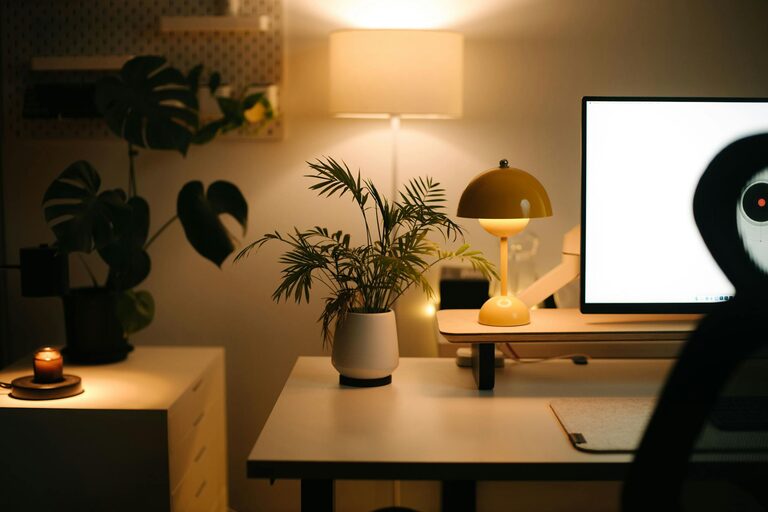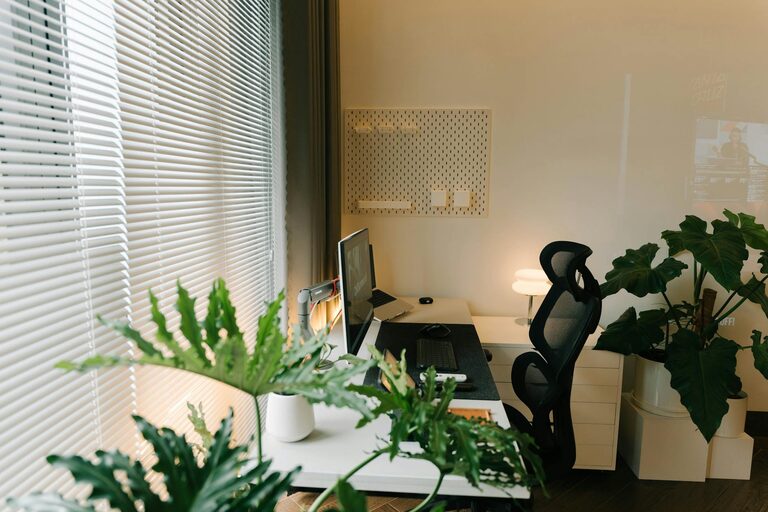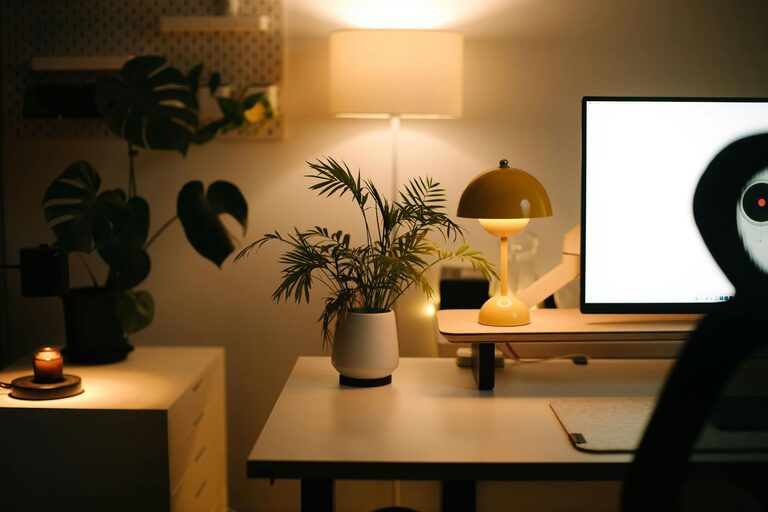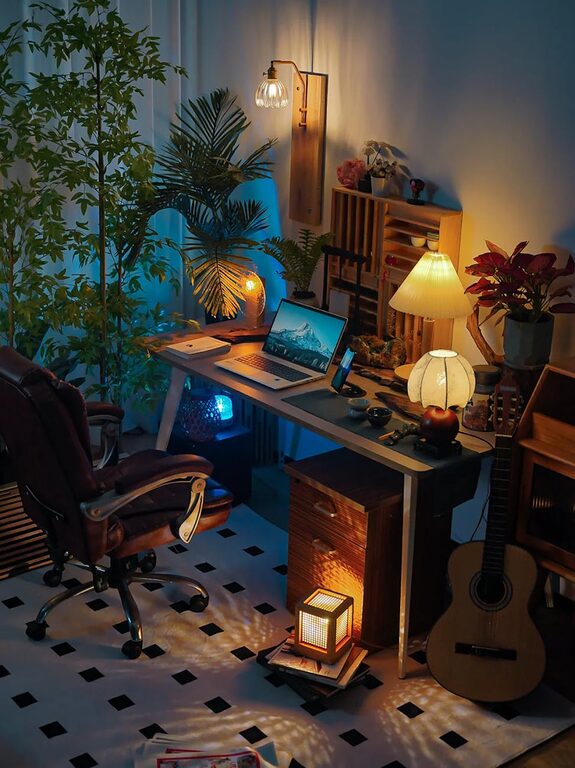
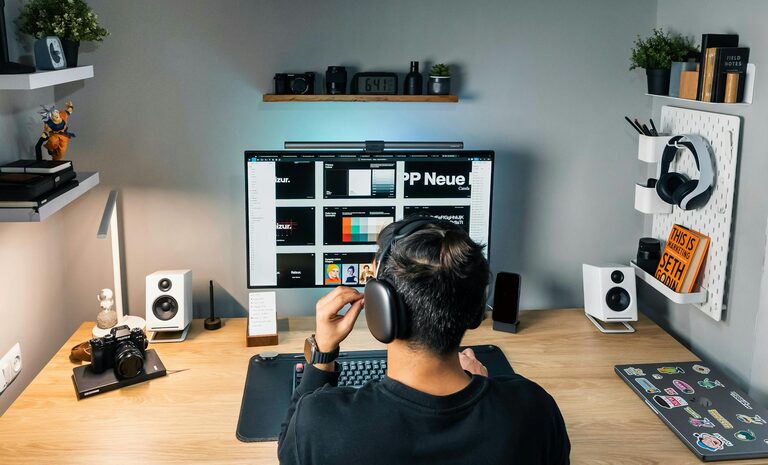
Creating a home office that feels cozy yet productive is essential for anyone who works from home or spends considerable time on personal projects. A well-designed workspace can improve focus, boost motivation, and reduce stress. Whether you have a dedicated room or a small nook, these tips will help you transform your space into a comfortable and efficient home office.
1. Choose the Right Location
Where you set up your home office plays a crucial role in your comfort and productivity.
– Natural Light: Try to position your desk near a window to take advantage of natural light. Natural lighting helps reduce eye strain and elevates mood.
– Quiet Space: Select an area away from high-traffic zones in your home to minimize distractions.
– Ventilation: Ensure good airflow to keep the space fresh and comfortable throughout the day.
2. Invest in Comfortable and Ergonomic Furniture
Comfort is key when you spend hours working or studying.
– Ergonomic Chair: A supportive chair that encourages good posture can prevent back and neck pain.
– Adjustable Desk: Whether sitting or standing, an adjustable desk offers flexibility to switch positions.
– Proper Desk Height: Your desk should allow your arms to rest comfortably with elbows at about a 90-degree angle.
3. Organize Your Workspace for Efficiency
An organized workspace can help clear your mind and increase focus.
– Declutter Regularly: Remove unnecessary items daily to maintain a tidy environment.
– Use Storage Solutions: Shelves, drawers, and organizers keep supplies within reach but out of the way.
– Cable Management: Tidy up cords with clips or cable trays to create a neat, safe space.
4. Personalize to Boost Comfort and Motivation
Adding personal touches makes your workspace inviting and inspiring.
– Colors: Choose calming or energizing colors for walls or accessories based on what helps you focus.
– Plants: Indoor plants improve air quality and add a calming green element.
– Artwork and Photos: Display images or art that make you happy or motivated without cluttering the space.
5. Optimize Lighting for Work Tasks
Good lighting reduces eye strain and enhances concentration.
– Task Lighting: A desk lamp with adjustable brightness can help focus light where needed.
– Avoid Glare: Position screens and light sources to minimize reflections.
– Balance Light Sources: Combine natural, overhead, and task lighting for an even and comfortable setup.
6. Keep Technology Simple and Functional
A home office depends on reliable tech, but it doesn’t need to be complicated.
– Essential Devices: Focus on the tools that meet your needs without overcrowding your desk.
– Wireless Options: Wireless keyboards, mice, and printers reduce cable clutter.
– Regular Maintenance: Keep software updated and hardware clean to avoid interruptions.
7. Establish Boundaries and Routine
A cozy office also means clear separation between work and home life.
– Set Working Hours: Define specific start and end times to maintain balance.
– Use Visual Boundaries: Room dividers or rugs can signal “work mode” to help stay focused.
– Take Breaks: Step away regularly to stretch or relax, preventing burnout.
8. Add Cozy Touches Without Sacrificing Productivity
Comfortable elements make the office feel less sterile and more inviting.
– Soft Textiles: Add cushions, rugs, or throws for warmth and texture.
– Temperature Control: A small fan, heater, or blanket helps you stay comfortable year-round.
– Aromatherapy: Subtle scents like lavender or citrus can improve mood but avoid overpowering fragrances.
Conclusion
Designing a cozy and productive home office is about balancing comfort with functionality. By thoughtfully choosing your location, furniture, lighting, and personal touches, you can create a space that supports your best work and well-being. Start small, personalize your space, and adjust as you discover what helps you stay focused and comfortable through the day.
About the Author