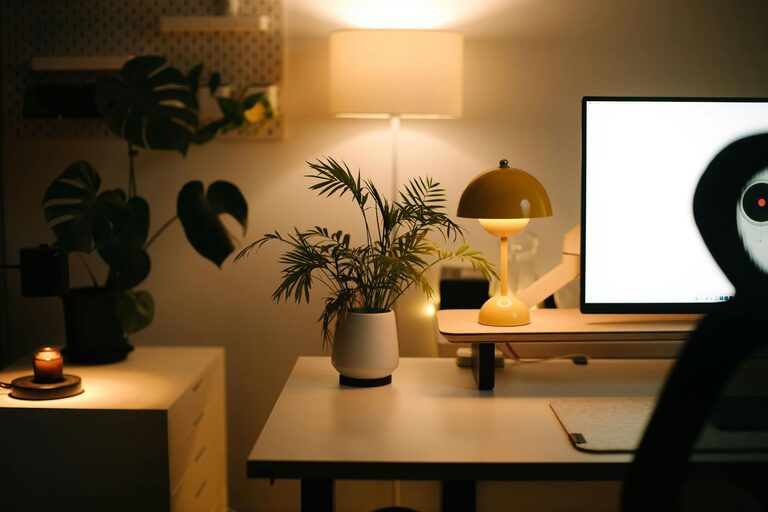
Creating a relaxing home workspace is essential for maintaining focus, boosting productivity, and enjoying comfort throughout your workday. Whether you’re working remotely full-time or occasionally, your environment impacts your mood, efficiency, and overall well-being. In this post, we’ll explore practical tips to design a calming, organized workspace that helps you stay motivated without feeling stressed.
Why a Relaxing Workspace Matters
Your workspace isn’t just a place to get things done—it shapes your mindset. A cluttered or uncomfortable setting can distract you, increase stress, and lead to fatigue. Conversely, a thoughtfully arranged and calming area encourages concentration, creativity, and a healthier work-life balance. Investing time in making your home office inviting and comfortable pays off in clearer thinking and better performance.
1. Choose the Right Location
Start by selecting a quiet spot in your home where you can minimize interruptions. Ideally, pick a room or corner with natural light, good ventilation, and enough space to move freely. If possible, avoid setting up your workspace in high-traffic areas like the kitchen or living room.
Tips for Location:
– Use a spare room, nook, or even a well-lit corner.
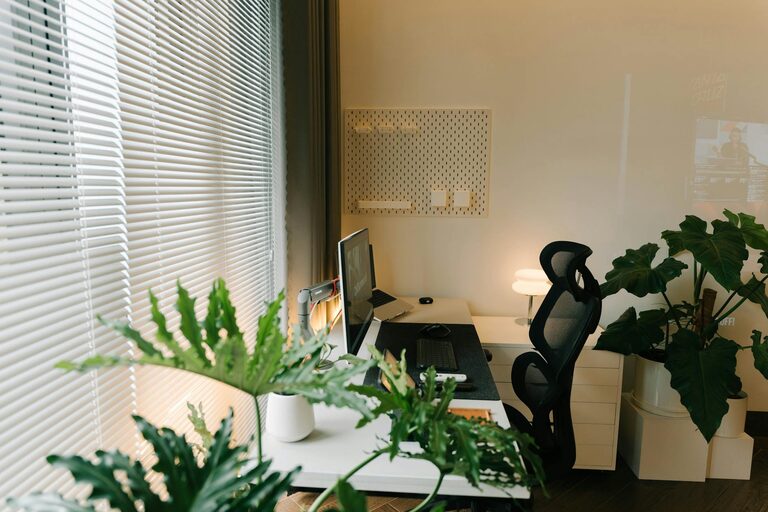
– Position your desk near a window to enjoy daylight.
– Add a room divider or curtains if you need visual separation.
2. Invest in Comfortable Furniture
Comfort is key for maintaining productivity over long hours. Your chair and desk should support good posture and reduce strain.
What to Look For:
– An ergonomic chair with adjustable height, lumbar support, and comfortable padding.
– A desk with sufficient surface area for your computer, accessories, and note-taking.
– Consider a standing desk or adjustable desk converter for variety.
3. Organize and Declutter
A clutter-free workspace prevents distractions and saves time looking for things.
Organizing Tips:
– Use drawers, shelves, and containers to keep supplies tidy.
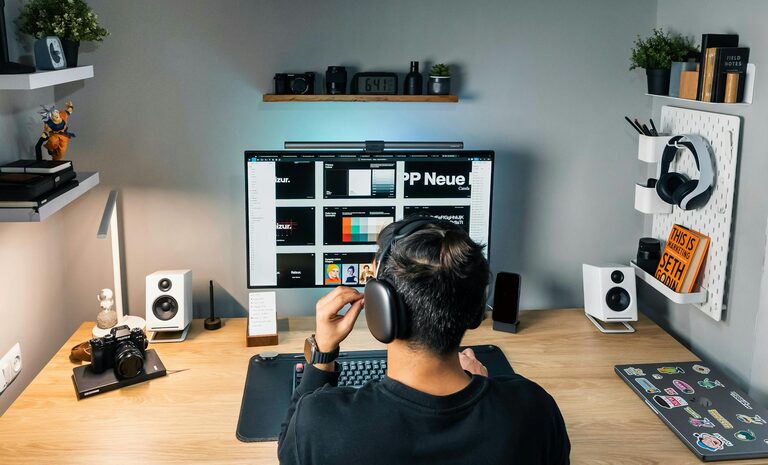
– Keep only essentials on your desk.
– Regularly purge unnecessary papers and items.
– Cable management clips help keep cords neat.
4. Personalize Your Space Mindfully
Adding personal touches boosts comfort and encourages creativity. However, avoid overcrowding your area.
Ideas:
– A few framed photos or artwork.
– A small plant or two to bring life and improve air quality.
– Inspirational quotes or a vision board.
– A cozy throw blanket or cushion for added comfort.
5. Optimize Lighting
Good lighting reduces eye strain and enhances mood.
Lighting Tips:
– Use natural light whenever possible.
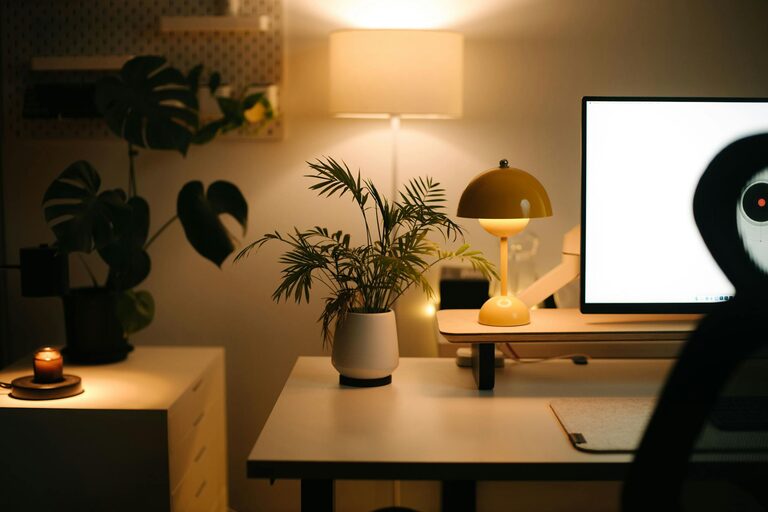
– Add adjustable desk lamps to manage brightness.
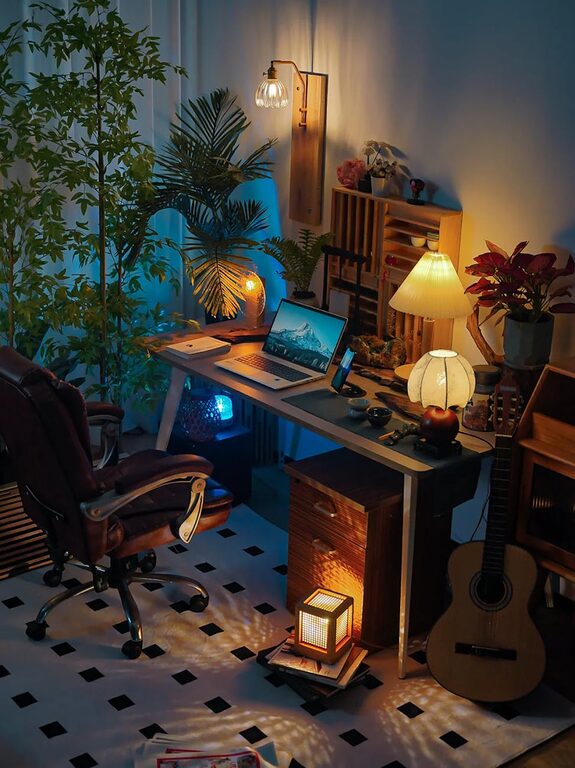
– Opt for bulbs with warm color temperature to create a relaxing ambiance.
– Avoid glare on screens by positioning lights thoughtfully.
6. Control Noise and Distractions
Noise can hinder your ability to concentrate, especially in busy households.
Ways to Manage Noise:
– Use noise-cancelling headphones or earbuds.
– Play soft background music or white noise.
– Incorporate rugs and curtains that absorb sound.
– Set clear boundaries with family members during work hours.
7. Incorporate Relaxation Elements
Breaks are vital, and having calming elements nearby supports mental refreshment.
Relaxation Suggestions:
– Keep a diffuser with your favorite essential oils like lavender or eucalyptus.
– Have a stress ball, fidget toy, or small mindfulness tools handy.
– Create a small meditation or stretching corner if space allows.
8. Maintain Air Quality and Temperature
Fresh air and a comfortable temperature keep you alert and comfortable.
Tips:
– Open windows regularly to circulate fresh air.
– Use an air purifier if needed.
– Invest in a fan or heater to maintain a pleasant temperature.
9. Manage Screen Time Properly
Prolonged screen exposure can cause eye fatigue and discomfort.
Tips to Reduce Eye Strain:
– Follow the 20-20-20 rule: every 20 minutes, look at something 20 feet away for 20 seconds.
– Adjust your screen brightness and contrast.
– Use blue light filters or specialized glasses.
10. Establish a Routine and Boundaries
A relaxing workspace also depends on your habits and how you use the space.
Routine Tips:
– Design a clear start and end time for work.
– Take regular breaks away from your desk.
– Avoid working in bed or on the couch, if possible, to separate work and rest spaces.
—
Creating a relaxing home workspace is about balancing comfort, functionality, and personal flair. By making intentional choices in furniture, organization, lighting, and ambiance, you create an environment where productivity naturally follows. Take small steps today to transform your workspace and enjoy improved focus and well-being. Your future self will thank you!
About the Author