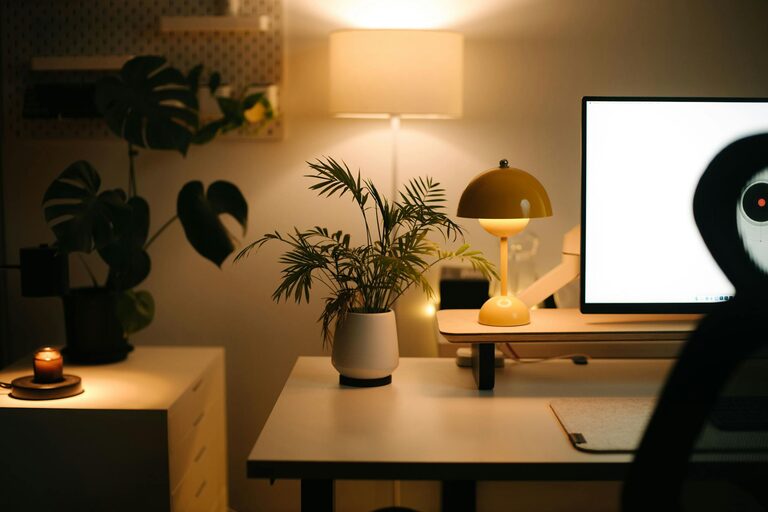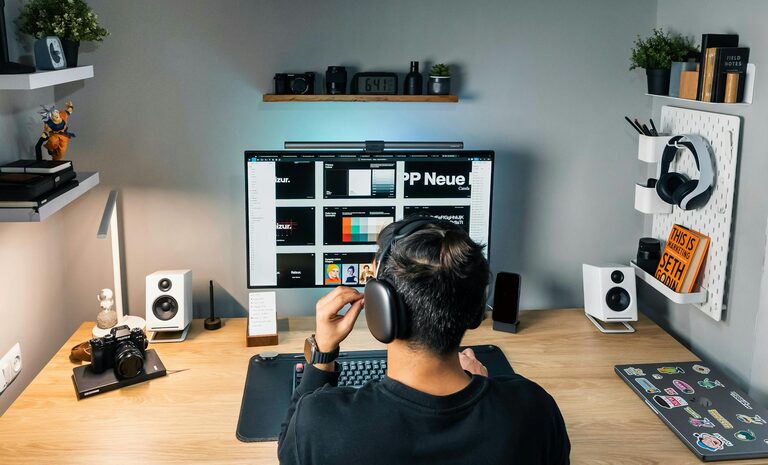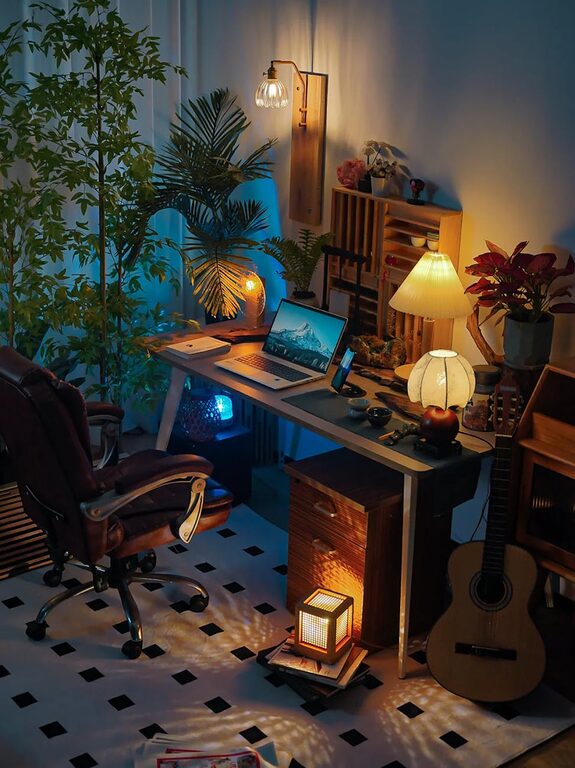
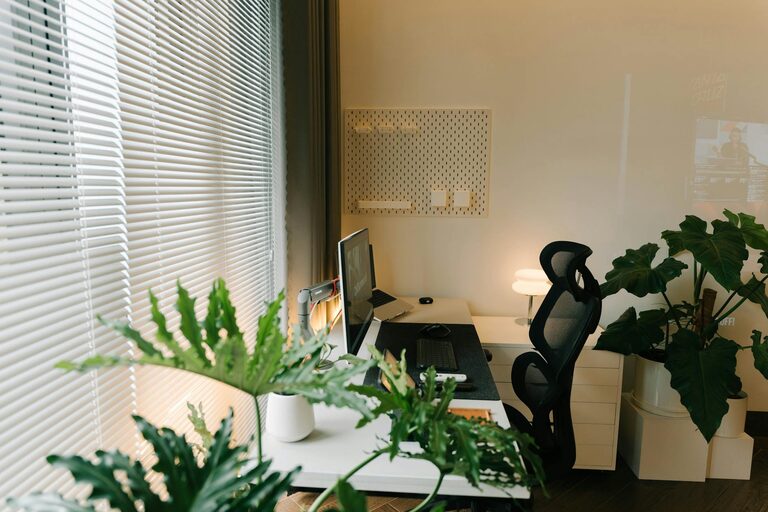
Creating a productive home office environment is essential for anyone who works remotely or spends significant time completing tasks at home. A well-designed workspace can improve focus, reduce stress, and enhance your overall work performance. Whether you are setting up a home office for the first time or looking to optimize your current space, these tips will help you create an environment that supports productivity and well-being.
Choose the Right Location
Finding the ideal spot for your home office is the first step. Look for a quiet area with minimal distractions where you can concentrate. If possible, select a space with natural light, as daylight can boost mood and energy levels. Avoid high-traffic parts of your home to reduce interruptions.
Consider Space and Privacy
Ensure the space you choose has enough room for your desk, chair, and any equipment or materials you need. Privacy is also important—having a door you can close or a dedicated room helps signal to others when you are working and minimizes disturbances.
Invest in Ergonomic Furniture
Your comfort directly impacts your productivity. Invest in a good-quality chair that supports your posture to prevent back pain and fatigue. Choose a desk at the right height to avoid strain on your arms and wrists.
– Use an adjustable chair with lumbar support.
– Select a desk that allows enough legroom and surface area.
– Consider accessories like a footrest, monitor stand, or keyboard tray.
Optimize Lighting
Lighting plays a crucial role in reducing eye strain and maintaining focus. Aim for a mix of natural and artificial light in your home office.
– Position your desk near a window to take advantage of natural light.
– Use adjustable lamps to provide task lighting.
– Avoid glare by positioning screens perpendicular to windows.
– Choose daylight or cool white bulbs for a bright, energizing atmosphere.
Minimize Clutter and Stay Organized
A cluttered workspace can distract you and reduce efficiency. Keep your home office tidy by organizing supplies and documents effectively.
– Use shelves, drawers, and filing cabinets to store items.
– Employ desk organizers for pens, paper, and gadgets.
– Develop a daily routine to clear your desk after work.
– Digitize paperwork when possible to reduce physical clutter.
Personalize Your Space Mindfully
Adding personal touches can make your home office a pleasant place to work, but avoid overdecorating, which can be distracting.
– Use photos, plants, or artwork that inspire and motivate you.
– Choose colors that promote calm and focus, such as soft blues or greens.
– Keep decorations minimal to maintain a professional atmosphere.
Establish Boundaries and a Routine
Separating work from home life helps you stay productive and maintain balance.
– Set specific work hours to create structure.
– Communicate with family or housemates about your schedule.
– Designate the office space as work-only to mentally separate it from relaxation areas.
Leverage Technology Wisely
Using the right technology can simplify tasks and improve workflow.
– Ensure your internet connection is reliable and fast.
– Use noise-cancelling headphones if your environment is noisy.
– Employ tools like calendars, task managers, and communication apps to stay organized.
Take Regular Breaks and Move
Sitting for extended periods can negatively affect your health and focus. Incorporate short breaks and movement into your day.
– Use the Pomodoro technique: work for 25 minutes, then take a 5-minute break.
– Stretch or walk around during breaks to refresh your body and mind.
– Consider standing desks or desk converters for variety.
Maintain Good Air Quality and Comfort
A comfortable workspace includes good air quality and temperature.
– Open windows to allow fresh air flow when possible.
– Use fans or air purifiers to keep the air clean and the environment pleasant.
– Keep the room at a comfortable temperature to avoid distraction.
Final Thoughts
Creating a productive home office environment is about blending function and comfort. By choosing the right location, investing in ergonomic furniture, managing lighting and organization, and setting clear work boundaries, you can design a workspace that supports your best work. Remember to also take care of your well-being by taking breaks and maintaining comfort. With these tips, working from home can become more enjoyable and efficient.
About the Author